
The global automotive industry is quietly undergoing one of the largest business model transformations in its history.
For more than a century, automakers generated revenue primarily through vehicle sales and financing. Today, companies including General Motors, Ford, Stellantis and Tesla are pursuing a different objective: turning every connected vehicle into a recurring revenue platform.
According to public investor disclosures, leading automakers expect software subscriptions, connected services and vehicle-generated data to produce tens of billions of dollars in annual revenue by 2030. McKinsey estimates the broader connected-vehicle ecosystem could create between $250 billion and $750 billion in new economic value by the end of the decade.
The shift represents far more than a new technology strategy. It is a fundamental transition from one-time vehicle transactions to continuous customer relationships powered by software, subscriptions and data.
Why Automakers Are Pursuing Subscription Revenue
Traditional vehicle sales are highly cyclical. Revenue depends on consumer demand, economic conditions, financing rates, and supply-chain stability. Once a vehicle is sold, the manufacturer’s direct revenue opportunity largely ends until the customer purchases another vehicle years later.
Software subscriptions operate differently.
Connected services such as navigation upgrades, remote vehicle monitoring, hands-free driving systems, entertainment packages, and premium feature unlocks create recurring monthly revenue. These services typically require little additional manufacturing cost once the underlying technology platform has been developed.
As a result, software revenue often carries substantially higher margins than vehicle manufacturing.
General Motors has publicly stated that its software-related services can generate gross margins of approximately 70%, compared with industry-average vehicle margins that typically range between 10% and 15%.
The Connected Vehicle Opportunity
Industry forecasts suggest that nearly every new vehicle sold by 2030 will feature embedded internet connectivity.
This connectivity allows automakers to deliver over-the-air software updates, offer subscription services, collect vehicle-performance information, and continuously interact with customers long after the initial sale.
McKinsey estimates that connected vehicles could generate hundreds of dollars annually in additional revenue per vehicle through subscriptions, premium features, insurance partnerships, and software services.
The result is a business model that more closely resembles a software company than a traditional manufacturer.
General Motors’ Software Strategy
Among major automakers, General Motors has been the most transparent regarding its software ambitions.
The company has stated that it expects software-enabled products and services to generate between $20 billion and $25 billion annually by 2030.
GM’s OnStar platform remains the centerpiece of that strategy. The company reported approximately 12 million global OnStar subscribers and has continued expanding services that include vehicle connectivity, safety features, and its Super Cruise hands-free driving system.
The company’s financial reporting now includes billions of dollars in deferred revenue associated with software and service contracts—a metric commonly associated with Software-as-a-Service (SaaS) companies rather than automotive manufacturers.
Ford, Stellantis, and Tesla Are Following Similar Paths
Ford has projected that its Blue Oval Intelligence platform will support approximately 32 million connected vehicles globally. The company has indicated that connected services could eventually generate roughly $20 billion in annual revenue.
Stellantis has publicly targeted approximately €20 billion in annual software-related revenue by 2030 while expanding its connected fleet to more than 34 million vehicles worldwide.
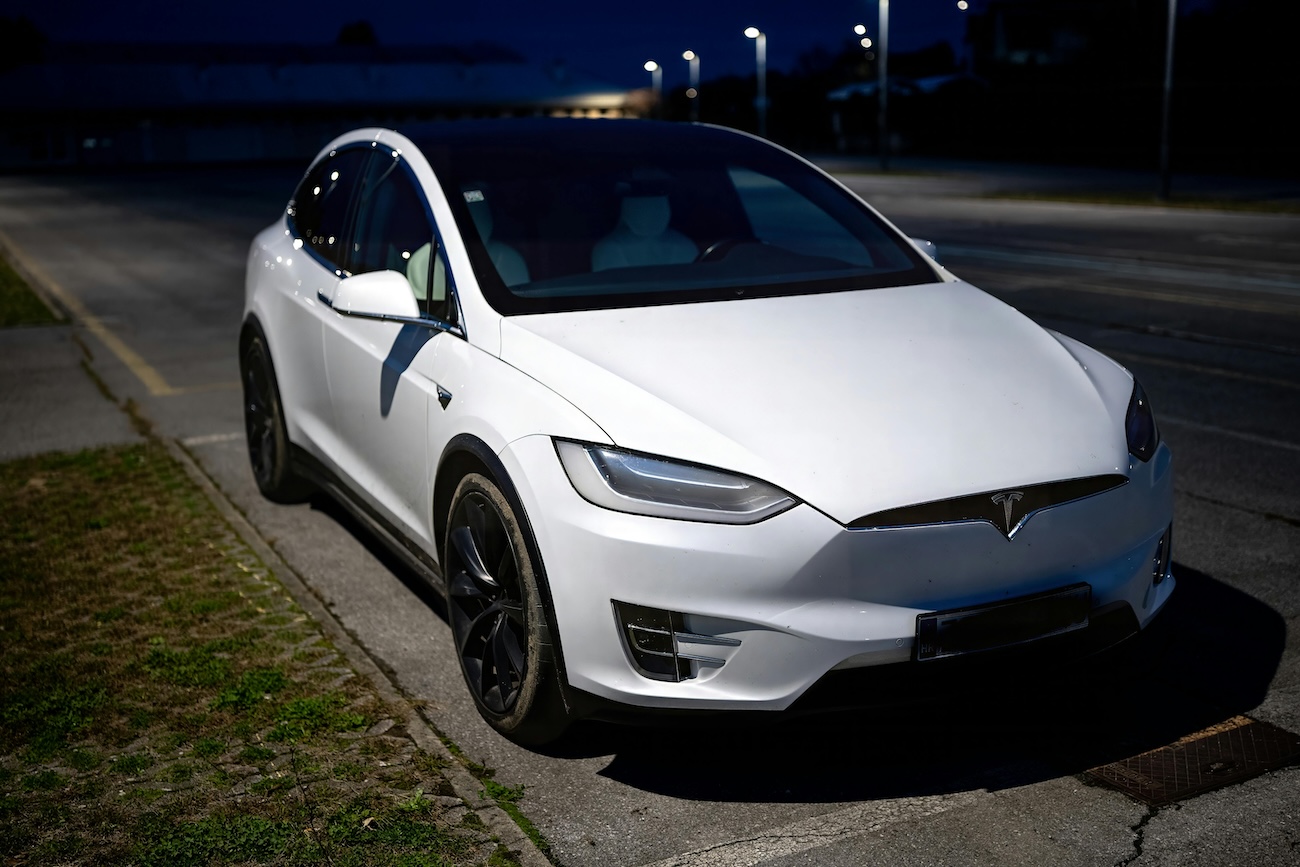
Tesla has long operated a software-centric business model through over-the-air updates and Full Self-Driving subscriptions. While Tesla does not separately report all software revenue, recurring services have become an increasingly important component of its overall business.
Collectively, these initiatives demonstrate that software is no longer viewed as a supplemental product. It is becoming a core revenue driver for the automotive industry.
The Economics Behind Connected Vehicles
The financial attraction of recurring revenue extends beyond total revenue growth.
A customer who purchases a $40,000 vehicle generates a single transaction for the manufacturer. However, a customer who subscribes to connected services for several years can generate thousands of dollars in additional lifetime revenue.
Premium driving-assistance subscriptions, navigation upgrades, connectivity packages, and feature unlocks can create recurring income streams that continue throughout ownership.
Because software services generally require minimal incremental production costs, a larger percentage of that revenue flows directly to profit.
For investors, recurring subscription revenue is often considered more predictable and less vulnerable to economic downturns than vehicle sales.
Three Major Revenue Streams
Automakers increasingly generate revenue from three distinct categories.
1. Consumer Software Subscriptions
This includes products such as OnStar, Super Cruise, Full Self-Driving subscriptions, premium navigation systems, and other connected features sold directly to consumers.
2. Vehicle Data and Telematics
Connected vehicles generate significant amounts of operational and driving-related information. Depending on company policies and regulatory restrictions, portions of this data may be used for analytics, safety improvements, insurance programs, or other commercial applications.
3. Insurance and Financial Partnerships
Several automakers have partnered with insurers to offer usage-based insurance programs and other financial products tied to connected-vehicle technology.
These arrangements create additional revenue opportunities beyond vehicle manufacturing.
The Privacy Debate
The expansion of connected-vehicle technology has also raised privacy concerns.
Consumer advocates, regulators, and lawmakers have increasingly scrutinized how vehicle data is collected, stored, shared, and monetized.
Federal regulators have already taken action in certain cases involving telematics and driver-behavior information. Additional regulatory oversight is expected as connected vehicles become more common.
As a result, automakers face the challenge of balancing revenue growth opportunities with increasing consumer expectations regarding transparency and privacy.
What This Means for Consumers
For consumers, the connected-vehicle era brings both benefits and tradeoffs.
Connected services can improve safety, convenience, navigation, vehicle diagnostics, and driving assistance capabilities. At the same time, these services often rely on continuous data collection and may require ongoing subscription payments.
The vehicle ownership experience is gradually shifting from a one-time purchase to an ongoing relationship with the manufacturer.
How consumers respond to subscription pricing, data-sharing practices, and connected services will play a major role in determining whether automakers achieve their ambitious revenue targets.
The Bottom Line
The financial disclosures from the world’s largest automakers reveal a clear industry direction.
General Motors, Ford, Stellantis, and Tesla are investing heavily in software platforms, connected services, and recurring revenue models designed to extend profitability far beyond the initial vehicle sale.
The transition is not simply about adding new features. It represents a fundamental restructuring of the automotive business model—from selling cars to operating long-term software and data platforms.
By 2030, the companies that once competed primarily on horsepower, design, and manufacturing efficiency may increasingly compete on subscriptions, software ecosystems, and customer lifetime value.
In many ways, the future of the automotive industry may look less like Detroit and more like Silicon Valley.