
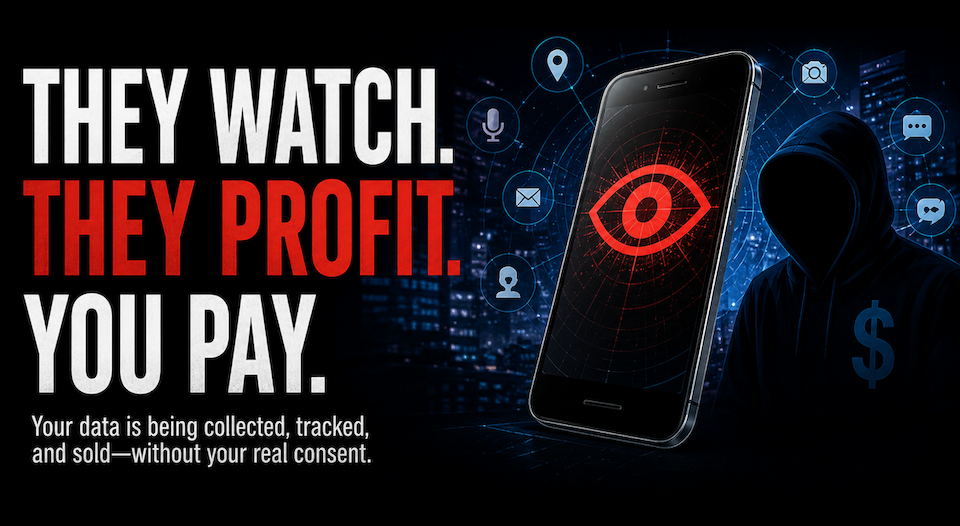
Many consumers assume that free apps earn revenue through advertising. However, some popular mobile applications generate additional income by collecting and sharing user data—including information about driving habits.
Privacy advocates, regulators, and consumer protection groups have increasingly raised concerns about how driving behavior data gathered through smartphone apps can ultimately influence auto insurance underwriting decisions.
The issue has become significant enough that state regulators and attorneys general have launched investigations into data-sharing practices involving driving behavior, insurance analytics, and consumer privacy.
Why Some Free Apps Collect Driving Data
A common saying in the technology industry is:
“If you’re not paying for the product, you may be the product.”
Several location-based applications collect information through smartphone sensors such as GPS, accelerometers, gyroscopes, and motion detectors. These technologies can help apps provide navigation, location sharing, traffic alerts, and personalized services.
However, some companies also use that data to build driving behavior profiles that may later be shared with analytics firms or insurance-related data providers.
Examples frequently cited in consumer privacy discussions include:
- Life360
- GasBuddy
- MyRadar
- Fuel Rewards
- Routely
While each company maintains its own privacy policies and disclosure practices, consumer advocates recommend reviewing app permissions carefully before granting access to location and motion-tracking features.
The Role of Arity and Insurance Data Analytics
Much of the public discussion has focused on Arity, a mobility and data analytics company created by Allstate.
Arity provides technology that can analyze driving behaviors such as:
- Hard braking
- Rapid acceleration
- Speeding events
- Phone usage while driving
- Mileage driven
- Driving times and routes
According to public statements and regulatory filings, the company has accumulated one of the largest driving behavior datasets in the United States.
Critics argue that many consumers remain unaware of how extensively their driving data may be collected and shared across the insurance ecosystem.
How Smartphones Can Monitor Driving Behavior
Most modern smartphones contain multiple sensors capable of detecting movement and location patterns.
GPS Tracking
GPS records:
- Speed
- Routes traveled
- Locations visited
- Time of travel
Accelerometer Data
Accelerometers measure motion in multiple directions and can detect:
- Sudden stops
- Rapid acceleration
- Sharp turns
Gyroscope Data
Gyroscopes help determine rotational movement, allowing systems to distinguish between vehicle movement and ordinary phone handling.
Sensor Fusion Technology
By combining multiple sensor inputs simultaneously, software systems can generate detailed driving behavior profiles.
This process, often called sensor fusion, allows algorithms to estimate driving patterns with significant accuracy.
Can Apps Tell Whether You’re Driving or Riding as a Passenger?
Research published by universities and transportation technology companies suggests that smartphone sensors can sometimes distinguish between drivers and passengers.
Methods may include analyzing:
- Vehicle entry patterns
- Seating position indicators
- Motion signatures
- Phone interaction behavior
While no system is perfect, studies have reported accuracy rates high enough to make the technology commercially useful.
This has raised concerns among consumers who believe they may be evaluated based on trips where they were not actually operating the vehicle.
How Driving Data May Affect Insurance Premiums
Insurance companies increasingly use alternative data sources when assessing risk.
Potential impacts include:
Higher Premiums
Drivers identified as exhibiting higher-risk behaviors may receive higher renewal rates.
Examples of monitored behaviors can include:
- Frequent hard braking
- Excessive speeding
- Late-night driving
- Distracted driving indicators
Non-Renewal Decisions
In some cases, insurers may choose not to renew a policy based on overall underwriting risk factors.
Regulations governing non-renewals vary by state, and insurers generally must follow specific notification requirements.
How to Check Your Insurance Data Reports
Consumers have the right to review certain insurance-related reports maintained by data providers.
LexisNexis C.L.U.E. Report
The Comprehensive Loss Underwriting Exchange (C.L.U.E.) report contains:
- Auto insurance claims history
- Loss records
- Previous insurance activity
Consumers may request a free copy annually under federal law.
Telematics Reports
Consumers can also request telematics-related reports that may contain:
- Mileage estimates
- Driving behavior indicators
- Risk-scoring information
Reviewing these reports can help identify potential errors that could affect insurance pricing.
How to Limit Driving Data Collection
Review App Privacy Settings
Check applications for settings related to:
- Driving insights
- Data sharing
- Personalized insurance programs
- Marketing partnerships
Adjust Smartphone Permissions
On iPhone
- Settings → Privacy & Security
- Location Services
- Motion & Fitness
On Android
- Settings → Location
- App Permissions
- Physical Activity Permissions
Restrict access when it is not required for the app’s core functionality.
Remove Unused Applications
Deleting unused apps remains one of the simplest ways to reduce unnecessary data collection.
Privacy Concerns Continue to Grow
Consumer advocates argue that greater transparency is needed regarding:
- How driving data is collected
- Who receives the information
- How long records are retained
- Whether consumers have meaningful consent options
Regulators across several states have begun examining whether existing privacy disclosures adequately inform users about how their information may be used.
As connected vehicles, smartphone apps, and telematics programs continue expanding, driving data is expected to play an increasingly important role in insurance underwriting and risk assessment.
Conclusion
Free apps can provide valuable services, but consumers should understand the potential trade-offs associated with data collection.
Reviewing privacy settings, monitoring insurance-related reports, and understanding how telematics data may be used can help drivers make more informed decisions about the apps they choose to install.
For consumers concerned about privacy, spending a few minutes reviewing app permissions today could help avoid unexpected surprises when insurance renewal time arrives.