
The Food Pyramid Fallacy: Why We’re Still Arguing About What’s Obvious
When did eating real food become controversial?
Here’s something that should be simple: meat and vegetables are healthy. Ultra-processed foods aren’t. Your grandmother knew this. Every traditional culture on Earth knew this. Yet in 2026, we’re still having heated debates about whether Fruit Loops belong in a balanced diet.
The question isn’t whether we know the truth. We do. The question is why we keep pretending we don’t.
The Pyramid That Won’t Fall
The USDA’s food pyramid has been updated, rebranded, and redesigned more times than most people realize. It became “MyPyramid” in 2005, then “MyPlate” in 2011. But the fundamental problem remains: these guidelines consistently downplay whole foods while giving suspicious amounts of credibility to processed grains and industrial food products.
The latest version still recommends grains as a foundation of healthy eating. Not vegetables. Not protein. Grains. Meanwhile, red meat gets treated like a public health menace, despite humans thriving on it for millennia.
Common sense says something’s wrong with this picture. And common sense is right.
When Science Gets Uncomfortable
The data on ultra-processed foods isn’t ambiguous anymore. Studies have linked them to obesity, diabetes, cardiovascular disease, and even cancer. Research from institutions like the NIH and European universities shows that people who eat more ultra-processed foods have worse health outcomes across virtually every metric.
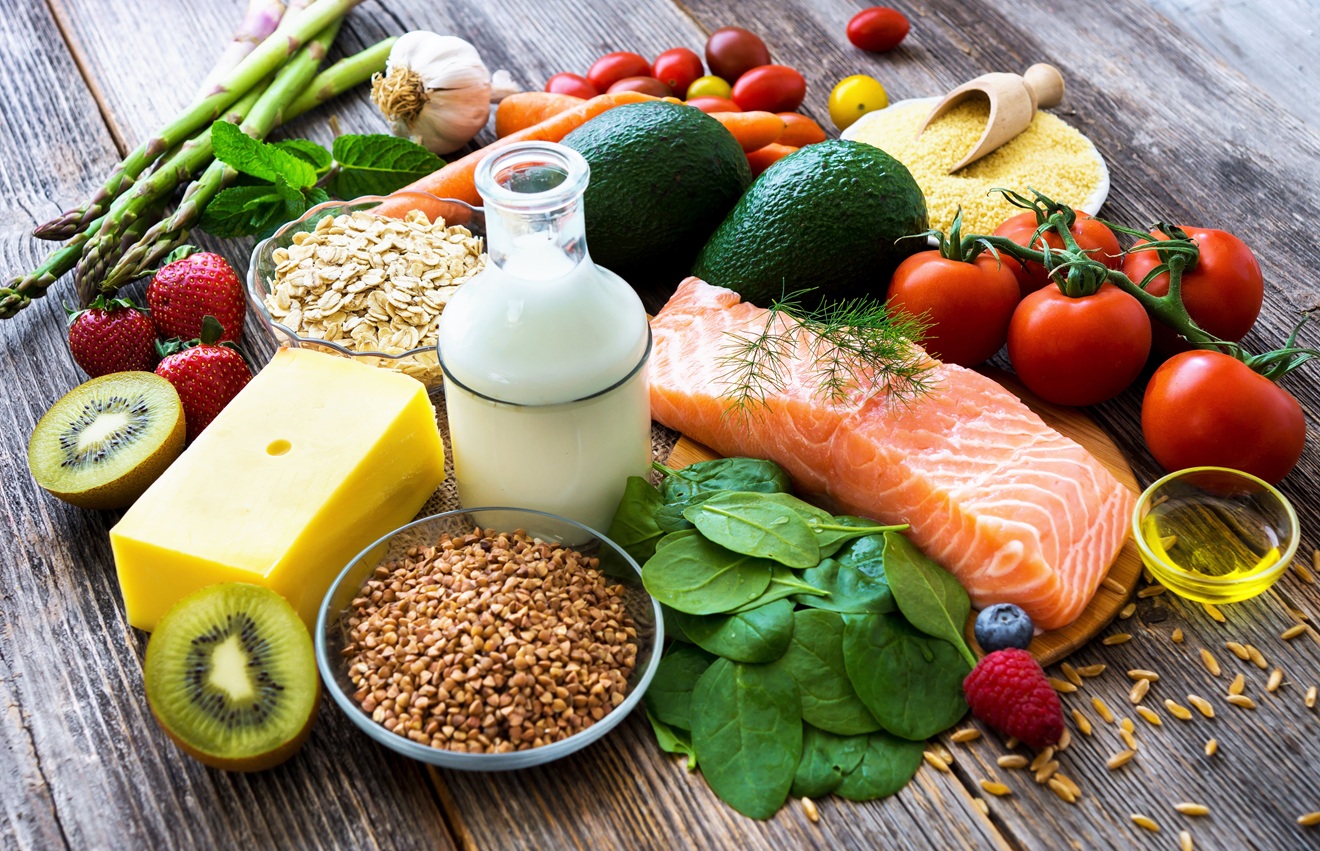
On the flip side, diets centered on whole foods—meat, fish, eggs, vegetables, fruits—consistently show positive health outcomes. The Mediterranean diet works. Carnivore diets show remarkable results for many people. Traditional diets from healthy populations around the world look nothing like our government’s recommendations.
So why are we still debating this?
How Food Became a Political Football
Here’s where things get truly bizarre: your dinner plate has become a partisan issue.
In one corner, you have people advocating for traditional diets, meat consumption, and agricultural freedom. Somehow, this got labeled “conservative.” In the other corner, you have plant-based advocates, climate-focused dietary guidelines, and calls for reducing meat consumption. This got labeled “progressive.”
When did steak versus tofu become the new red state versus blue state?
The politicization of food serves everyone except the American people. It allows both sides to ignore the elephant in the room—or rather, the processed food conglomerate in the room—while they argue about culture war nonsense.
Conservatives defend industrial agriculture and processed food manufacturers because they’re “job creators” and regulation is bad. Progressives push plant-based alternatives without acknowledging that many meat substitutes are ultra-processed frankenfoods created in laboratories. Meanwhile, both parties happily accept campaign donations from Big Food and Big Ag.
The result? We’re arguing about whether eating meat makes you a climate denier while nobody’s talking about why Cheetos are considered food.
Follow the Money (Because Someone Should)
Here’s where it gets uncomfortable. The food industry spends billions on lobbying and advertising. In 2020 alone, the food and beverage industry spent over $23 million lobbying Congress. Major food corporations have seats at the table when dietary guidelines are written.
Look at who advertises heavily: processed food companies, not farmers’ markets. Turn on the TV during dinner time and count how many commercials you see for broccoli versus how many you see for cereal, snacks, and convenient microwaveable meals.
The numbers tell a story our health authorities seem reluctant to acknowledge. Big Food has big influence, and that influence extends deep into the organizations that tell Americans what to eat.
Political donations flow to both parties. Kellogg’s doesn’t care if you’re red or blue—they just want you buying Corn Flakes. Coca-Cola sponsors politicians across the spectrum. The processed food industry has successfully made itself bipartisan, even as they’ve made our national diet a partisan issue.
The Academic-Industrial Complex
It’s not just lobbying. Food companies fund research. They sponsor conferences. They provide grants to universities. And somehow, mysteriously, the studies they fund tend to find that their products aren’t quite as bad as independent research suggests.
This isn’t conspiracy theory—it’s documented practice. When Coca-Cola funded obesity research, that research tended to focus on exercise rather than diet. When cereal companies fund nutrition studies, those studies often find that breakfast cereals are part of a balanced diet.
Scientists need funding. Universities need donors. Everyone needs to eat. The pressure to avoid biting the hand that feeds you is real, even in academia.
Political Convenience vs. Public Health
There’s also a political dimension that makes honest discussion difficult. Agricultural subsidies favor grain production. Corn, wheat, and soy receive massive government support, making processed foods cheap to manufacture. Meanwhile, producing quality meat and vegetables costs more and receives less help.
Telling Americans the truth—that the healthiest diet costs more and requires more preparation than grabbing processed convenience foods—isn’t politically popular. It’s easier to keep promoting the idea that healthy eating is affordable and accessible for everyone if your definition of “healthy” includes industrial bread and subsidized corn syrup.
Politicians don’t want to tell voters they’ve been promoting the wrong advice for decades. They don’t want to antagonize the food industry donors who fund campaigns. And they definitely don’t want to acknowledge that government policy has actively made Americans less healthy.
But here’s what makes the political debate particularly absurd: this shouldn’t be political at all.
There’s no conservative or liberal position on whether vegetables are good for you. There’s no red or blue stance on whether your body processes real food better than chemical additives. Biology doesn’t have a party affiliation.
Yet we’ve allowed nutrition to become another front in the culture war, which conveniently ensures that we never actually address the problem. As long as we’re fighting about whether your food choices make you woke or based, we’re not talking about why both parties have consistently protected an industry that’s making Americans sick.
When Will Common Sense Prevail?
The frustrating answer? Maybe never. At least not from the top down.
The incentives are too misaligned. The food industry has too much to lose. The government has too much face to save. Academic institutions have too much funding at stake. And the advertising revenue flowing through media companies—including health and nutrition publications—depends on processed food manufacturers buying ads.
Both political parties benefit from keeping this a culture war issue rather than a public health issue. As long as Republicans and Democrats are arguing about meat versus plants, nobody’s asking why the USDA dietary guidelines look suspiciously similar to what’s profitable for food manufacturers.
Nobody wants to be the one to say the emperor has no clothes, especially when the emperor is writing checks to both sides.
The Real Revolution Is Already Happening
But here’s the thing: people are figuring it out anyway. The rise of paleo, keto, carnivore, and whole food movements didn’t come from government recommendations. It came from people experimenting, seeing results, and sharing their experiences.
More Americans are reading labels, questioning ingredients, and seeking out real food despite it costing more and requiring more effort. The local food movement, farmers’ markets, regenerative agriculture—these aren’t driven by USDA guidelines. They’re driven by people who stopped trusting the official story.
And interestingly, this movement crosses political lines. You’ve got Silicon Valley biohackers and rural homesteaders both questioning processed foods. You’ve got CrossFit enthusiasts and traditional conservatives both eating more meat. You’ve got yoga instructors and hunters both shopping at farmers’ markets.
The medical establishment is slowly coming around too. More doctors are recommending low-carb diets for diabetes and obesity. More researchers are publishing findings that contradict decades of conventional wisdom. The truth has a way of breaking through, even when powerful interests try to suppress it.
What You Can Do
You don’t need permission from the USDA to eat well. You don’t need the food pyramid’s blessing to feed your family real food. And you definitely don’t need to wait for politicians to stop accepting food industry donations before you make better choices.
The science is clear enough for anyone willing to look at it honestly. Eat meat. Eat vegetables. Avoid things that come in boxes with ingredient lists longer than a CVS receipt. Cook real food. It’s not complicated, even though various industries profit from making it seem that way.
And maybe, just maybe, stop letting them turn your dinner into a political statement. Your body doesn’t care about your voter registration. It just cares whether you’re feeding it real food or industrial sludge.
The next time someone tries to tell you that Lucky Charms are “part of a balanced breakfast,” ask them who’s paying for that message. The next time someone tries to make your food choices a referendum on your political identity, ask them who benefits from that framing.
Because until we’re willing to have honest conversations about who benefits from our confusion—and who benefits from keeping us divided—we’ll keep having the same absurd debates about information our ancestors took for granted.
The views expressed in this article are those of the author and do not necessarily reflect official policy positions. But they should make you wonder why choosing between a steak and a salad has somehow become a political act, and who profits from that insanity.