
The bill for our broken immigration system isn’t just landing on the desks of federal bureaucrats—it’s showing up in your rent check, your grocery bill, and your kids’ school budget.
Over the past three years, Americans have watched their cost of living surge to levels not seen in decades. While the Federal Reserve and economists point to pandemic supply chains and monetary policy, there’s another story that doesn’t get enough attention: the massive strain that illegal immigration and associated fraud have placed on public resources, housing markets, and local budgets across the country.
Let’s talk about what this really means for working Americans trying to make ends meet.
The Housing Squeeze Nobody’s Talking About
Here’s something that should concern anyone who’s tried to find an affordable place to live lately: we’re adding population without adding housing supply at anywhere near the same rate.
Since 2021, an estimated 8-10 million people have crossed the southern border illegally. That’s roughly equivalent to adding the entire population of New York City to the country—without building a single new apartment building to house them. When you flood markets with demand without corresponding supply, prices go up. Economics 101.
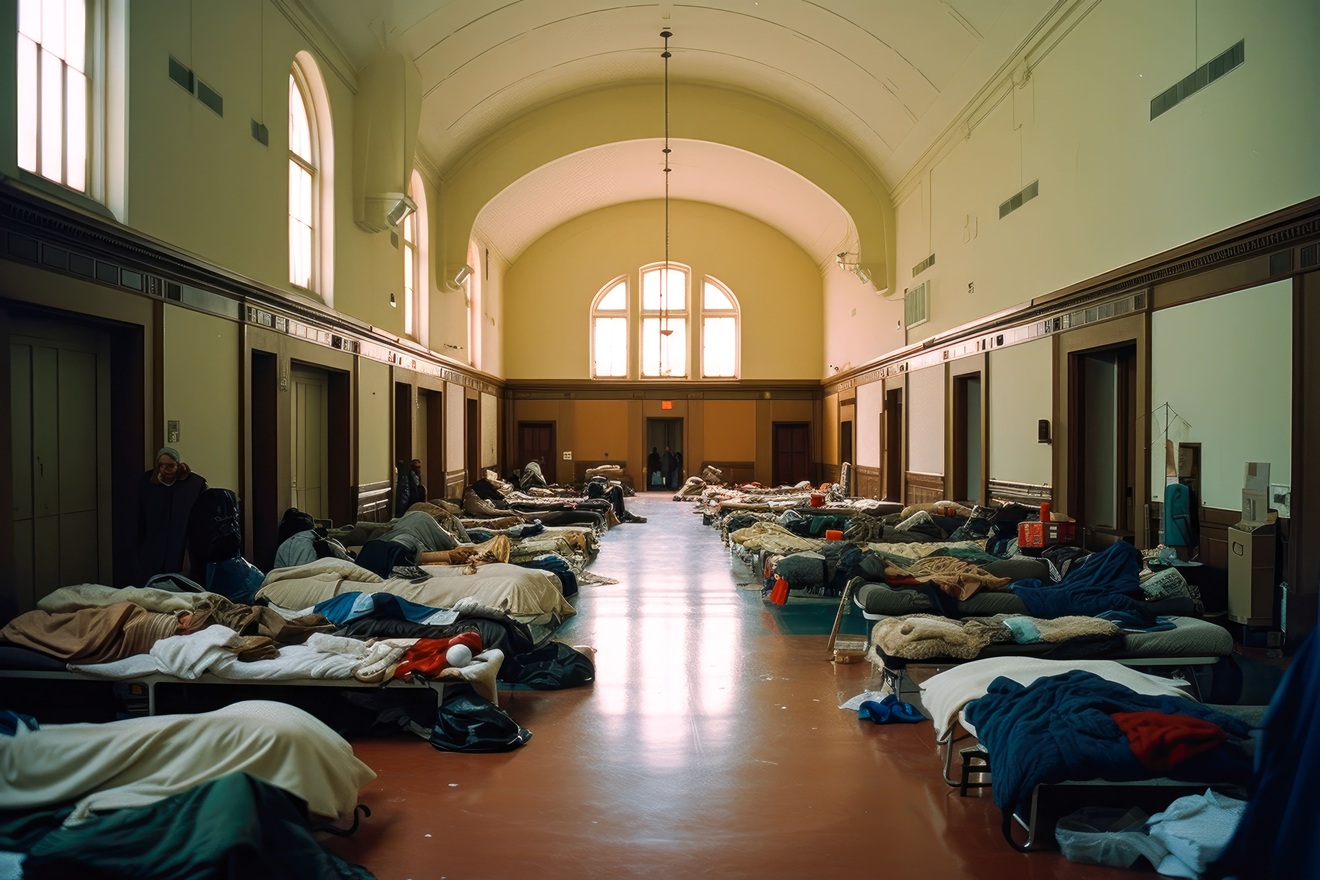
In cities like New York, Chicago, and Denver, local governments have converted hotels, community centers, and even schools into emergency shelters for migrants. That’s not just a humanitarian issue—it’s removing housing stock and commercial space from local economies, driving up costs for everyone else trying to find a place to live or run a business.
The rental market has felt this acutely. In border states and sanctuary cities, landlords have seen demand spike while affordable units have become scarce. Some property owners have even been offered government contracts to house migrants at rates above market value, creating perverse incentives that push regular renters out of the market entirely.
The Fraud Factor: Billions in Taxpayer Money Out the Door
Let’s be clear about something: this isn’t about hardworking immigrants pursuing the American Dream through legal channels. This is about a system so broken that it’s being exploited on a massive scale—and you’re paying for it.
The fraud connected to illegal immigration falls into several categories, and each one costs Americans real money:
Identity fraud and tax schemes: The IRS has identified millions of Individual Taxpayer Identification Numbers (ITINs) being used fraudulently to claim tax credits, particularly the Additional Child Tax Credit. The Treasury Inspector General estimated this costs taxpayers billions annually. People filing returns with stolen or fabricated Social Security numbers, claiming dependents who don’t exist or live in other countries, and collecting refunds that dwarf any taxes they’ve paid.
Benefits fraud: Despite legal restrictions, illegal immigrants access public benefits through various means—presenting fraudulent documents, using anchor babies’ citizenship to claim family benefits, or simply exploiting systems with limited verification. States and cities spend billions on emergency healthcare, education, and social services for illegal immigrant populations. New York City alone projected spending over $12 billion on migrant services through 2025.
Document mills and trafficking operations: Criminal enterprises generate millions producing fraudulent documents—fake IDs, forged work permits, counterfeit Social Security cards. This underground economy isn’t just breaking the law; it’s enabling other crimes including human trafficking, wage theft, and tax evasion that ripple through legitimate businesses trying to compete fairly.
Veterans Left Behind: The Most Painful Trade-Off
Here’s what should outrage every American: we’re putting people who crossed the border illegally into hotels while veterans who served this country sleep on the streets.
New York City provides the starkest example of this grotesque misallocation of resources. The city has spent over $2 billion housing migrants in hotels—some of them four-star accommodations—while cutting $120 million from services to homeless veterans and families. Veterans who wore the uniform and sacrificed for this country are being told there’s no room at the inn while people who broke our laws to get here are getting three meals a day and private rooms.
The Department of Veterans Affairs has faced similar resource conflicts. VA facilities in border states have been stretched thin as hospitals divert resources to treat illegal immigrants in emergency rooms. Some VA medical centers have reported longer wait times and reduced services as local healthcare systems buckle under the strain of providing uncompensated care to illegal border crossers.
Meanwhile, veteran homelessness—which had been declining for years—has plateaued or increased in several major cities that have also become migrant destinations. Los Angeles, which has both a massive homeless veteran population and has spent hundreds of millions on migrant services, exemplifies this cruel irony. Veterans who served in Iraq and Afghanistan are living in tents on Skid Row while the city converts rec centers and other public facilities into migrant shelters.
The funding squeeze is real and measurable. When cities like Chicago divert hundreds of millions to migrant services, that money comes from somewhere. Homeless outreach programs, veteran support services, mental health resources, and job training initiatives all get cut or scaled back. The people who have the least political power—homeless Americans and struggling veterans—lose out to the crisis of the moment.
The Broader Homelessness Crisis
The resource diversion extends beyond just veterans. American citizens experiencing homelessness across the board have watched funding and shelter space evaporate as cities scramble to accommodate illegal border crossers.
In Denver, homeless advocates protested as the city cut services and closed shelters to redirect funds toward migrant support. Portland saw similar conflicts as limited shelter beds and housing assistance went to new arrivals while Americans who’d been waiting months or years for help got pushed further down the list.
This isn’t theoretical. These are real people—citizens who fell on hard times, lost jobs, struggled with addiction or mental illness—being told that resources intended to help them are going elsewhere. Shelters designed for homeless Americans sitting empty because they’ve been converted to migrant housing. Waiting lists for subsidized housing getting longer because units are being used for illegal immigrants.
The message this sends is unmistakable: if you’re an American citizen who needs help, you’re lower priority than someone who just crossed the border illegally last week. That’s not just bad policy—it’s a betrayal of the social contract.
The Local Budget Crisis
Here’s where this hits home most directly: your local schools, hospitals, and public services are getting crushed.
School districts in border states and sanctuary cities have had to absorb tens of thousands of students who need English language services, special education evaluations, and additional support—without corresponding increases in federal funding. That means larger class sizes, fewer resources, and higher local property taxes for everyone else.
Emergency rooms can’t turn people away, so hospitals have absorbed billions in uncompensated care for illegal immigrants. Those costs get passed on to insured patients and taxpayers through higher premiums and taxes. Some rural hospitals near the border have closed entirely, unable to sustain the financial burden.
Law enforcement and court systems have faced similar strains. Processing and housing people who’ve crossed illegally, investigating fraud schemes, and dealing with cartel-related crime takes resources away from serving citizens and legal residents.
The Labor Market Impact
The economic impact isn’t limited to direct costs. The labor market distortions matter too.
When millions of people enter the workforce illegally—often willing to work for below-market wages under the table—it undercuts American workers, particularly in construction, hospitality, agriculture, and service industries. This wage suppression hits lower-income Americans and recent legal immigrants the hardest.
Some argue this keeps consumer prices down. But that’s a shell game. You’re not saving money if your wages are stagnant, your job opportunities shrink, and your taxes go up to cover the public costs. The savings go to employers who exploit illegal labor while the costs get socialized across taxpayers.
What This Means Going Forward
The past three years have made something crystal clear: our immigration system isn’t just broken—it’s actively making life less affordable for Americans while abandoning those who served our country and our most vulnerable citizens.
This isn’t about compassion versus cruelty. It’s about basic math, resource allocation, and moral priorities. Every dollar spent managing the chaos of illegal immigration is a dollar not spent helping homeless veterans get off the streets, providing mental health services to Americans in crisis, fixing roads, improving schools, or lowering the tax burden on working families.
The fraud component adds insult to injury. Americans are generous people who support genuine refugees and legal immigration. But watching billions get siphoned off through fraudulent schemes while veterans sleep in tents and homeless citizens get turned away from shelters? That’s not sustainable politically, economically, or morally.
We’ve lost sight of first principles. A government’s primary obligation is to its own citizens—especially those who wore the uniform and defended this country. When we prioritize illegal border crossers over veterans and homeless Americans, we’ve failed at the most basic level.
Real solutions require honest conversations about enforcement, legal immigration reform, and ending the magnet effects that draw illegal immigration. As long as we pretend these costs don’t exist or don’t matter, affordability in America will continue to deteriorate for the people who are here legally and playing by the rules—and our most vulnerable citizens will continue to pay the price.
The question isn’t whether we can afford to fix this problem. It’s whether we can afford not to—and whether we can look veterans and homeless Americans in the eye while we continue down this path.
Have a story about how illegal immigration or fraud has impacted your community, or know a veteran who’s been affected? Contact us at editor@nexfinitynews.com