
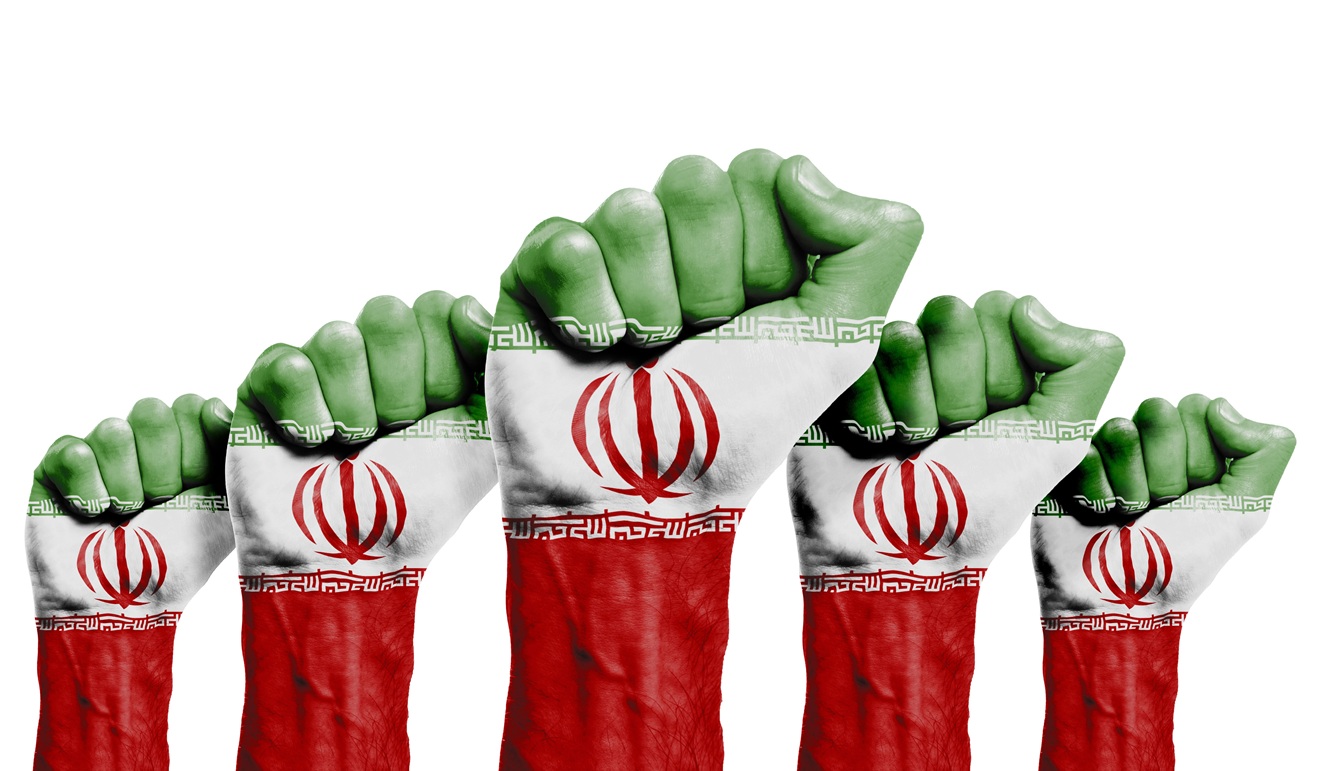
The streets of Iran are alive with defiance again. Videos flood social media showing crowds chanting against the Islamic Republic, women defiantly removing their hijabs, and security forces struggling to contain the anger. If you’ve been watching Iran over the years, this might feel familiar—we’ve seen uprisings before. But something feels different this time.
The question everyone’s asking: Is this finally the movement that breaks through?
To understand why this moment matters, we need to look at why previous uprisings failed—and what’s changed.
A History of Crushed Dreams
Iran has a painful pattern: mass protests erupt, the world pays attention, hope surges, then the hammer falls. Each time, Iranians pour into the streets demanding change. Each time, the regime survives. Let’s walk through the graveyard of failed revolutions.
The Green Movement (2009): When Hope Died in the Streets
The 2009 protests were massive—possibly the largest demonstrations since the 1979 revolution itself. Millions of Iranians, mostly urban and educated, took to the streets after what they saw as a stolen election, giving Mahmoud Ahmadinejad a second term. The movement rallied behind the color green and chanted, “Where is my vote?”
For months, it looked like Iran might actually change. But the Green Movement had fatal weaknesses.
First, it was ideologically confused. Leaders like Mir-Hossein Mousavi weren’t calling for regime change—they wanted reform within the Islamic Republic. When you’re asking the system to fix itself, you’ve already conceded the fight.
Second, it was geographically limited. The protests were concentrated in Tehran and other major cities. Rural and working-class Iranians—the regime’s base—largely stayed home or even counter-protested.
Third, it lacked clear organization. There was no unified command structure, no coherent strategy beyond showing up and hoping the regime would crack.
The regime didn’t crack. It crushed them. Security forces killed dozens (possibly hundreds—the real number remains unknown), arrested thousands, and systematically dismantled any organized opposition. By early 2010, it was over.
Why it failed: The movement sought reform, not revolution. It was too middle-class, too Tehran-centric, and had no answer when faced with organized state violence.
The 2017-2018 Economic Protests: When the Working Class Rose
These protests were different. They started in Mashhad, a conservative religious city—not the usual liberal hotbed of Tehran. Working-class Iranians, squeezed by unemployment and inflation, took to the streets with explicitly economic demands.
This time the chants went further: “Death to the dictator!” “Death to Rouhani!” Some even shouted “Leave Syria alone, think about us!” directly challenging the regime’s costly regional adventures.
For about two weeks, protests spread to over 80 cities—a geographic breadth the Green Movement never achieved. But they fizzled fast.
The crackdown was swift and brutal. At least 25 people were killed, and around 5,000 were arrested in the first few weeks. The regime had learned from 2009—don’t let it grow, don’t let it organize, strike hard and fast.
The protests also lacked leadership. Spontaneous anger is powerful but vulnerable. Without coordination, security forces could isolate and suppress protests city by city.
Why it failed: Too spontaneous, no organization, crushed before it could build momentum. The regime’s security apparatus had gotten better at rapid response.
The 2019 Fuel Price Protests: The Deadliest Crackdown
In November 2019, the government announced gasoline prices would triple overnight. For ordinary Iranians already struggling, this was the last straw.
What followed was the deadliest crackdown in the Islamic Republic’s history. Protests erupted in at least 100 cities. Demonstrators attacked banks, government buildings, and symbols of state power. The regime responded with shocking violence.
Amnesty International documented at least 304 deaths, though the real number is likely higher. Security forces used live ammunition on crowds. They shot people in the head and chest from close range. Internet shutdowns created a near-total information blackout.
Within days, it was over. The sheer brutality worked.
Why it failed: The regime showed it would kill as many people as necessary to maintain power. The international community barely noticed during the internet blackout. No organization emerged that could sustain resistance in the face of mass murder.
The Woman, Life, Freedom Movement (2022-2023): The Closest Call
When 22-year-old Mahsa Amini died in police custody in September 2022 after being arrested for “improper hijab,” something broke open in Iranian society. Women led the charge, cutting their hair in public, burning hijabs, and confronting security forces directly.
This movement had elements the others lacked. It was truly nationwide—affecting over 160 cities. It united different classes, ethnicities, and regions. Young and old, religious and secular, urban and rural—broader participation than ever before.
Women and girls, particularly Gen Z, became the face of resistance. They weren’t asking permission; they were taking freedom. “Woman, Life, Freedom” became more than a slogan—it was a revolutionary framework.
The regime was visibly shaken. Protests continued for months. Over 20,000 people were arrested. Hundreds were killed, including many children. The government executed several protesters as “enemies of God”—a terror tactic to break the movement’s spirit.
By early 2023, the protests had subsided, though low-level resistance continued. Women still defy hijab laws daily, but the mass uprising has dissipated.
Why it failed: Ultimately, the same reasons as before—overwhelming state violence, lack of centralized organization, and no defection within the security forces. The regime was willing to kill teenagers, and the Revolutionary Guards never wavered. International support was vocal but ultimately toothless.
What Makes This Time Different?
Here’s what’s striking: these protests began with merchants and shopkeepers at Tehran’s Grand Bazaar—a sector historically loyal to the regime Wikipedia. When the people who helped bring you to power start walking out, that’s not just a protest. That’s a repudiation.
The numbers are brutal. The rial has crashed to 1.45 million per dollar, inflation hit 48.6% in October, and the currency lost nearly half its value just in 2025 Wikipedia. For ordinary Iranians, this isn’t abstract economics—it’s the difference between feeding your family and going hungry.
But economic pain alone doesn’t topple governments. Iran’s seen currency crises before. What’s different now is the convergence of multiple catastrophic failures happening simultaneously.
A Perfect Storm of Crises
Iran suffered through a 12-day war with Israel in June, saw its nuclear facilities struck by both Israel and the United States, and watched the collapse of its Syrian ally with the fall of the Assad regime Wikipedia. That last one stings particularly hard—Syria was Iran’s crown jewel of regional influence.
Then the UN reimposed nuclear sanctions through the snapback mechanism in September Wikipedia, freezing assets, halting arms deals, and strangling what was left of Iran’s ability to maneuver internationally.
Add to this an energy crisis causing repeated blackouts, lethal air pollution, and a government budget that proposes a 20% wage increase while inflation runs at 50%. It’s not governance—it’s a cruel joke.
The Chants Tell the Story
What people are shouting in the streets reveals where this is heading. Yes, there are economic demands. But listen closer: “Death to the Dictator,” “Seyyed Ali will be toppled this year,” and even calls for the return of the monarchy Wikipedia are echoing through Iranian cities.
Students have joined the protests with slogans like “death to the Islamic Republic” ABC News, moving this well beyond a labor dispute. When university students—the future of any nation—are openly calling for regime change, you’re witnessing a fundamental legitimacy crisis.
The Regime’s Weakened Hand
Iran’s government is responding with the usual playbook: tear gas, arrests, armored vehicles in Tehran, and reports of multiple deaths from security forces firing on protesters Iran International. But there’s a brittleness to it this time.
Executions in Iran reportedly doubled in 2025 compared to 2024, with activists alleging the regime is using capital punishment to instill fear and suppress opposition Wikipedia. When a government has to execute its way to stability, it’s already lost the battle for hearts and minds.
The regime is also making conciliatory noises it never made before. President Pezeshkian is talking about setting up a “dialogue mechanism” and promising the government will “listen patiently even if there are harsh voices.” That’s not strength—that’s desperation dressed up as statesmanship.
Why This Could Succeed Where Others Failed
The pattern breakers are adding up in ways we haven’t seen before:
The bazaari defection is massive. The merchant class isn’t just protesting—they’re striking, closing businesses, leading demonstrations. These traders were influential during the 1979 Islamic Revolution, helping mobilize support that led to the monarchy’s overthrow Wikipedia. When the regime’s traditional economic base walks away, the foundation cracks.
The economic situation is genuinely unsustainable. Unlike previous protests that could be weathered, you can’t brutalize your way out of a collapsed currency and 50% inflation. These structural problems aren’t going away, meaning grievances will only intensify.
Regional humiliation compounds domestic failure. Losing Syria, getting hammered militarily by Israel, watching decades of regional investment collapse—this undermines the regime’s entire narrative. They can’t claim to be a rising regional power while begging people to accept poverty at home for foreign adventures that keep failing.
Exhaustion of the repression toolkit. The regime has tried everything: mass arrests (20,000+ in 2022 alone), hundreds of killings, thousands of executions, internet blackouts, show trials. Yet here we are again, five days into nationwide protests that keep spreading. When your best tools keep failing, you’re running out of options.
The psychological shift. After Woman, Life, Freedom, millions of Iranians crossed a mental threshold. They openly defied mandatory hijab. They chanted “Death to the Dictator” and survived. Fear—the regime’s most powerful weapon—has lost some of its grip. Each failed crackdown that doesn’t fully suppress dissent makes the next protest easier to join.
The Counter-Argument: Why This Could Still Fail
Before we get carried away predicting the fall of the Islamic Republic, let’s acknowledge the hard realities that have defeated every previous uprising:
The security apparatus remains intact. The Revolutionary Guards and Basij haven’t wavered. Until significant numbers of armed forces refuse orders or defect, protesters face guns with bare hands. That’s a fight they can’t win.
No organized alternative exists. Successful revolutions need leadership, structure, and a vision for what comes next. Iranian protests have been remarkably leaderless—which protects individuals but prevents coordination. Who takes power if the regime falls? That vacuum terrifies many Iranians who remember the chaos that can follow revolution.
Regional dynamics still favor the regime. Despite setbacks, Iran still has proxies, still has leverage. The regime can potentially survive domestically while rebuilding regionally.
International support remains hollow. Western governments issue statements, maybe impose additional sanctions, but offer no material support to protesters. The regime knows this. They can kill with relative impunity because nobody’s actually going to intervene.
Protest fatigue is real. Iranians have risen up again and again, and each time been crushed. How many times can you ask people to risk death before they give up? The psychological toll of repeated failed uprisings shouldn’t be underestimated.
The Verdict
Is this the moment? Honestly, nobody knows. Revolutionary moments are only obvious in hindsight.
What we can say is this: Iran is experiencing the most severe convergence of crises since the 1979 revolution. Economic catastrophe, military humiliation, diplomatic isolation, energy shortages, and now mass protests spreading across multiple cities for five consecutive days—with the traditional merchant class leading the charge.
British-Iranian activist Ellie Borhan says this wave of protests is stronger than previous ones Wikipedia The breadth and persistence matter. This isn’t one flash protest in Tehran that fizzles. Multiple cities, multiple sectors of society, sustained over days despite violent crackdowns—that’s different.
But history suggests caution. The 2009 Green Movement looked transformative until it wasn’t. The 2019 protests covered 100 cities before being drowned in blood. Woman, Life, Freedom seemed like a generational uprising—yet here we are needing another one.
The pattern has been clear: Iranians find the courage to rise, the regime finds the brutality to crush them, and the cycle repeats. Each time, the regime survives but weakens. Each time, more Iranians lose faith in the system. The question is whether we’ve reached the tipping point where structural collapse becomes inevitable, regardless of how much violence the regime deploys.
The unique element this time is that the economic foundation is crumbling in ways previous protests never threatened. You can shoot protesters, but you can’t shoot inflation. You can arrest dissidents, but you can’t arrest a currency collapse. The regime faces an enemy it can’t simply terrorize into submission—economic reality itself.
One thing is certain: 2026 is shaping up to be a defining year for Iran, one way or another. Keep watching the streets, not the official statements. That’s where Iran’s future is being decided right now.
And remember—the Islamic Republic has survived every challenge for 45 years by being willing to kill anyone necessary to stay in power. Until that changes, hope alone won’t topple this regime. It’ll take something more: organization, leadership, and most critically, cracks in the security forces themselves.
We’re not there yet. But we might be closer than Iran has been in decades.