
Remember when going public used to be the ultimate goal for any successful startup? These days, with private market valuations soaring into the stratosphere and venture capital flowing like water, companies are staying private longer than ever. But 2026 might finally be the year we see some of the biggest names in tech and beyond make their long-awaited debut on public markets.
Let’s talk about what’s actually on the horizon—and why this upcoming IPO cycle could be one for the history books.
The Elephant in the Room: When Will They Finally Pull the Trigger?
The thing is, predicting IPOs is a lot like predicting the weather in the Marines—you can read all the signs you want, but you won’t really know until it happens. That said, there are some companies that have been dancing around the public markets for so long that their eventual IPO filings feel inevitable.
Stripe continues to be the poster child for “when will they just do it already?” The payments infrastructure giant recently hit a valuation of $106.7 billion through a September 2025 tender offer—nearly back to its 2021 peak after bouncing from a $50 billion low. The Collison brothers have built something that processes over $1.4 trillion in payments annually and actually turns a profit, which is more than you can say for a lot of the unicorns out there. With competitors like PayPal already public and the payment processing market only getting bigger, analysts are eyeing late 2026 as the sweet spot for Stripe’s debut.
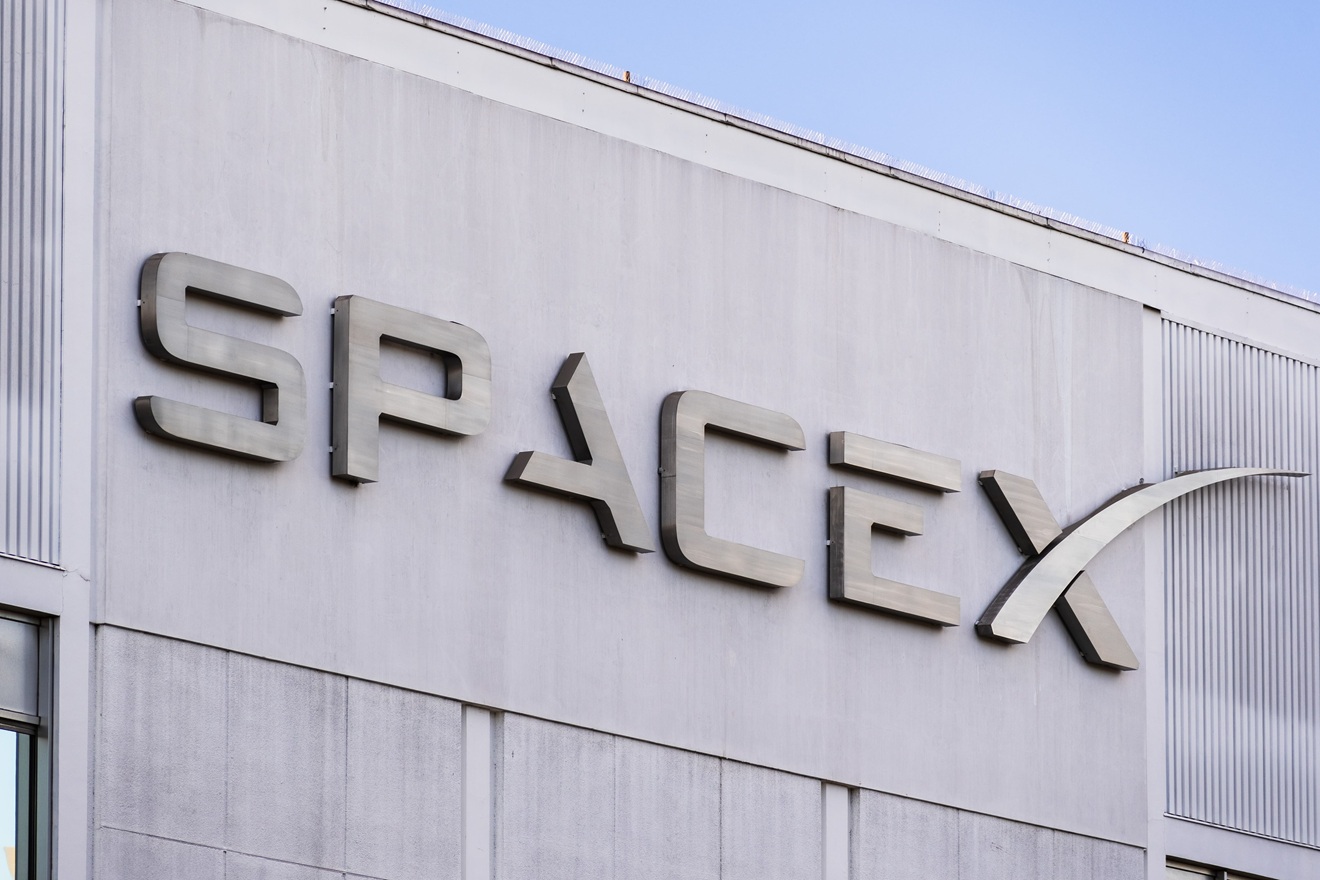
SpaceX just dropped a bombshell that shouldn’t surprise anyone who’s been paying attention. Elon Musk’s rocket company is targeting a mid-to-late 2026 IPO that could raise over $30 billion at a jaw-dropping $1.5 trillion valuation—which would make it the largest IPO in history, surpassing even Saudi Aramco’s 2019 record. Here’s what’s driving it: Starlink is printing money. The satellite internet service is expected to generate the majority of SpaceX’s projected $22-24 billion in 2026 revenue. Musk confirmed the IPO plans are real, and part of the proceeds will fund something straight out of science fiction—space-based AI data centers built from scaled-up Starlink satellites.
The Fintech Wave Nobody’s Talking About Enough
Kraken made it official—the crypto exchange filed confidentially for an IPO in November 2025 after hitting a $20 billion valuation. With revenue doubling to $1.5 billion in 2024 and a friendlier regulatory climate post-election, Kraken is positioned to be the leading fintech IPO of 2026. The crypto market has matured significantly since the wild west days, and an established player like Kraken going public could legitimize the entire sector in a way that matters to institutional money.
Chime has had one of the more frustrating journeys to IPO. The neobank filed confidentially back in late 2024, then hit pause when tariff announcements rattled markets. With over 38 million customers and $1.3 billion in revenue (up 30% from 2022), Chime proved that digital banking isn’t just hype—it’s a real business. They just need to pick the right moment.
The Enterprise Software Giants Still in the Pipeline
Databricks raised $10 billion in January 2025 at a $100 billion valuation, and their CFO basically said “we’ll go public when we feel like it.” That’s the luxury you have when you’re the data analytics platform that every AI-obsessed company needs. With the AI boom continuing unabated, their timing couldn’t be better—if they actually decide to pull the trigger in 2026.
Cohesity confidentially filed back in December 2021, then spent years integrating their acquisition of Veritas’s data protection business. CEO Sanjay Poonen stated that if business continues performing well, “2026 will be the year.” With $1.5 billion in combined annual recurring revenue and a $7 billion valuation, they’ve got the scale to make noise.
The AI Wildcards
This is where things get really interesting. OpenAI, fresh off a $40 billion funding round in March 2025 that valued it at $300 billion, and Anthropic, which just raised $13 billion at a $183 billion valuation, represent the crown jewels of the generative AI revolution. Either one going public would be a seismic event. The challenge? They’re both growing so fast ($12-13 billion projected revenue for OpenAI in 2025, with Anthropic surging from $1 billion to over $5 billion annually in just eight months) that they might not need public markets yet.
Dataiku, an AI data analytics startup, hired Morgan Stanley and Citigroup as underwriters for a potential first-half 2026 debut. It won’t have the name recognition of the big players, but it’s riding the same AI infrastructure wave that’s making companies like Databricks so valuable.
The Consumer Tech Names Worth Watching
Discord ($15 billion valuation) has been “IPO-ready” for years. What started as a gaming chat platform has evolved into essential infrastructure for communities of all kinds—from study groups to corporate teams. The question isn’t if they’ll go public, but when they decide the market is right.
Canva, the Australian design platform that’s quietly built a $26 billion valuation, proved that democratizing creative tools actually works. With over 100 million users and a business model that scales, they’re in a strong position if they decide 2026 is their year.
The Medical and Industrial Plays
Don’t sleep on the non-tech names. Medline, the massive medical supply company, is already pricing its IPO for late 2025, targeting $5.37 billion at the top of the range. That would make it the biggest global debut of the year and potentially kick off momentum for 2026.
Clario, which provides clinical trial technology, filed confidentially in June 2024. Having powered 26,000 trials that led to 700+ drug approvals (including 60% of FDA approvals from 2012-2023), they’re playing in a market that only gets bigger as biotech innovation accelerates.
Why 2026 Might Actually Be Different This Time
Look, we’ve been hearing about these IPOs for years. The SPAC mania of 2020-2021 was followed by the brutal reality check of 2022-2023. But something has shifted.
First, market conditions have stabilized. Interest rates aren’t jumping around like they’re on a trampoline anymore. Public market investors have recalibrated what they’re willing to pay for growth, and the companies that waited out the storm are stronger for it.
Second—and this matters—many of these companies are actually profitable now. Stripe, Databricks, SpaceX (through Starlink), Cohesity… these aren’t growth-at-any-cost stories anymore. They’re real businesses with real cash flow.
Third, the 2025 IPO market showed signs of life. Over 370 companies went public through traditional IPOs, direct listings, and SPAC mergers—a solid improvement over 2024’s 266. Names like CoreWeave, Figma, and Circle proved there’s appetite for quality offerings, even if post-IPO performance has been mixed.
The Reality Check Nobody Wants to Hear
Here’s what they don’t tell you in the hype pieces: by the time these companies go public, the venture capitalists and early employees have already made their fortunes. The question for retail investors isn’t whether Stripe or SpaceX are good companies—it’s whether there’s meaningful upside left at a $100 billion or $1.5 trillion valuation.
Chime and Klarna both went public in 2025 and lost over a third of their value. Figma soared 250% on day one, then gave most of it back. The IPO pop is great for headlines, but it’s what happens in months 3-12 that actually matters.
The companies worth watching are the ones solving real problems with defensible moats. SpaceX has Starlink’s satellite network and launch dominance. Stripe has payment infrastructure that competitors can’t easily replicate. Databricks has the data platform that AI companies actually need to function.
The ones to be skeptical of? Any company rushing to go public while markets are hot, any business model that requires perpetual capital infusions to survive, and anything that smells like 2021 euphoria all over again.
What This All Means
If even half of these anticipated IPOs actually materialize in 2026, we’re looking at one of the most significant periods for tech public offerings since the dot-com era. The combined potential of just Stripe, SpaceX, Databricks, and one of the AI giants could exceed $50 billion in IPO proceeds—dwarfing most recent years.
But the real story isn’t just the money. It’s what these IPOs tell us about where the economy is headed. These companies represent the infrastructure of our digital future—payments, satellite internet, AI platforms, data analytics, cryptocurrency exchanges. When they go public, it’s a signal that these technologies have moved from “interesting experiment” to “critical infrastructure.”
For those of us who’ve been in the tech and business world long enough, this feels different than 2020-2021. Back then, it was easy money and FOMO driving valuations into the stratosphere. Now? It’s actual businesses with actual revenue, going public in a market that’s more skeptical and more informed.
2026 might finally be the year we get some answers about which of these companies can actually perform under the harsh light of quarterly earnings calls and activist shareholders.
Sources:
- Inc.com: The 13 Most Anticipated IPOs of 2026
- MicroVentures: 2026 IPO Outlook
- EquityZen: What Companies Will IPO in 2026?
- Bloomberg/Carrier Management: Bankers Readying U.S. IPOs at ‘Overwhelming’ Pace
- EBC Financial: Stripe IPO Updates and Insights
- Yahoo Finance: SpaceX to Pursue 2026 IPO
- TechCrunch: SpaceX Planning 2026 IPO with $1.5T Valuation Target
- CNBC: Stripe’s Valuation Climbs to $91.5 Billion
What companies are you hoping to see go public? And more importantly—which ones would you actually invest in once they do? In my experience, the hype and the reality aren’t always the same thing.