
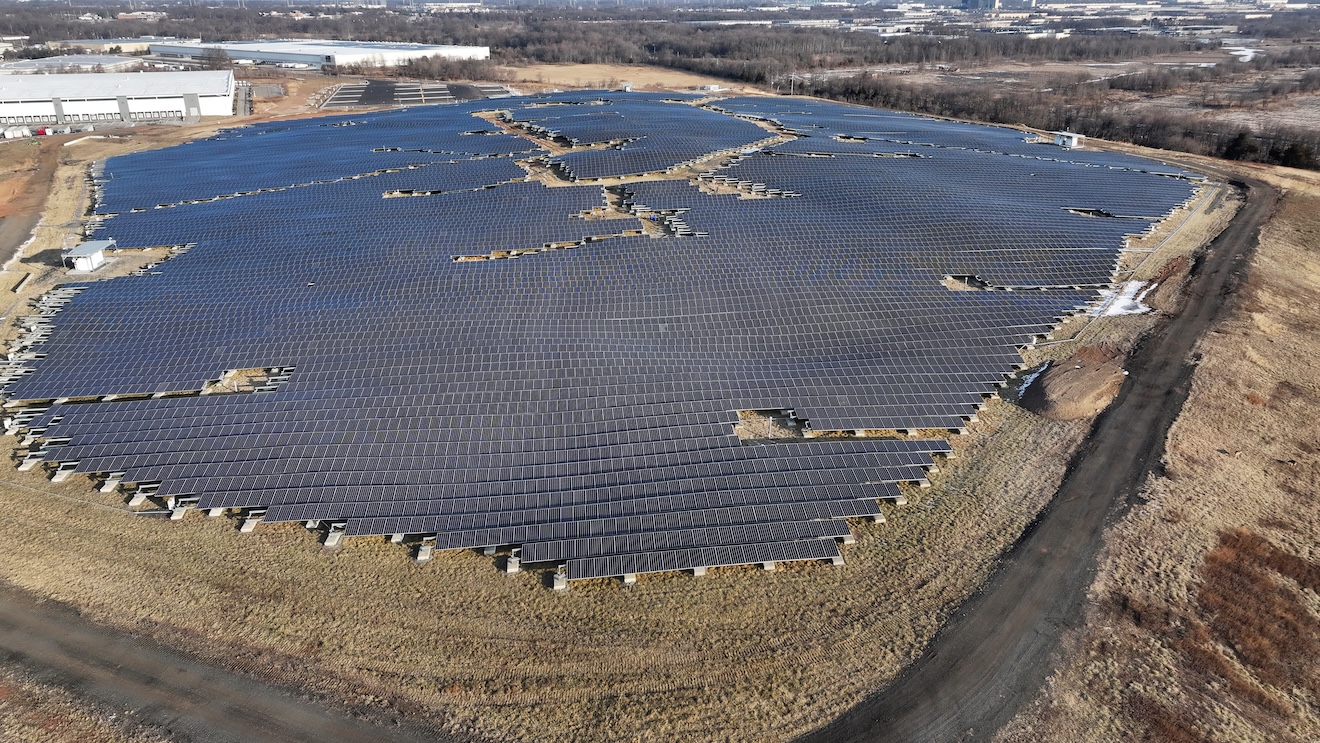
The former Aeromarine landfill in Keyport, New Jersey, is drawing renewed attention as environmental advocates and residents question whether decades of inadequate oversight contributed to ongoing public health concerns. The site has become part of a broader statewide conversation about New Jersey’s aging landfill infrastructure, unfunded remediation obligations, and the long-term environmental risks tied to legacy waste sites.
According to historical records maintained by the New Jersey Department of Environmental Protection (NJDEP), the state has 387 registered landfills. However, agency estimates suggest the actual number of active, inactive, undocumented, and pre-regulatory dumping sites could approach 600 statewide. Independent estimates place the total even higher when closed facilities are included.
Environmental policy experts say the issue extends far beyond Keyport. A 2007 analysis by nonprofit organization New Jersey Future estimated that properly closing and maintaining the state’s remaining legacy landfill sites would cost more than $2 billion. Despite inflation and rising environmental remediation costs, the estimate has not been substantially updated or fully addressed through long-term state funding strategies.
What Is a Legacy Landfill?
Under New Jersey law, a “legacy landfill” refers to waste disposal facilities that ceased operations before January 1, 1982, prior to the implementation of modern landfill engineering standards and environmental safeguards. Many of these sites were developed without protective liners, advanced groundwater monitoring systems, or long-term contamination controls now required under current environmental regulations.
Environmental experts warn that older landfill sites can continue releasing methane gas, contaminated leachate, and hazardous chemicals into surrounding soil and groundwater decades after closure if not properly maintained.
The Aeromarine landfill, which closed in 1979, falls directly into this category. The site has become a focal point in ongoing discussions about environmental accountability and the effectiveness of New Jersey’s post-closure landfill oversight system.
NJDEP Oversight and Regulatory Challenges
New Jersey’s landfill oversight system requires property owners to conduct ongoing environmental monitoring, submit engineering certifications, maintain groundwater testing systems, and comply with post-closure care obligations. However, enforcement challenges often emerge when landfill ownership changes hands or when inactive holding companies control contaminated properties.
Industry observers note that the 2009 Site Remediation Reform Act (SRRA) shifted much of New Jersey’s cleanup oversight toward privately retained Licensed Site Remediation Professionals (LSRPs). While the reform accelerated many redevelopment-related cleanups, critics argue the framework can struggle when owners fail to voluntarily participate in remediation efforts.
The Aeromarine site is increasingly cited as an example of how inactive or financially limited property owners can fall outside effective enforcement mechanisms, leaving long-term environmental obligations unresolved for years.
Similar Landfill Cases Across New Jersey
Keyport is not the first New Jersey community to face concerns tied to landfill contamination and potential public health impacts.
Several major landfill sites across the state, including Combe Fill North in Mount Olive, municipal landfills in Brick Township and Jackson Township, and the high-profile Toms River contamination case, required federal Superfund intervention and decades-long remediation efforts.
The Toms River case remains one of the nation’s most widely studied environmental cancer cluster investigations. State health officials linked industrial contamination and landfill-related pollution to dozens of childhood cancer cases between 1979 and 1995, leading to extensive federal oversight, corporate settlements, and large-scale cleanup operations.
Environmental analysts say these historical cases demonstrate the long-term financial and public health consequences of delayed environmental intervention.
Growing Pressure for Accountability
Calls for additional oversight are intensifying as lawmakers, environmental groups, and local residents seek greater transparency regarding landfill compliance monitoring across New Jersey.
Critics argue the state currently lacks a publicly accessible system that clearly identifies which closed landfill sites remain out of compliance with groundwater monitoring, methane testing, or post-closure maintenance requirements.
Policy experts have suggested several immediate actions, including:
- Independent performance audits of NJDEP’s landfill compliance programs
- Expanded federal Environmental Protection Agency (EPA) involvement
- Legislative oversight hearings on landfill enforcement failures
- Updated statewide inventories of legacy landfill conditions
- Long-term funding mechanisms for remediation projects
Supporters of reform argue that proactive environmental monitoring is significantly less costly than large-scale contamination cleanup after public health concerns emerge.
Environmental and Public Health Concerns Continue
New Jersey remains one of the most densely populated states in the country, with thousands of acres of active and closed landfill sites located near residential communities. While many facilities have been successfully capped and stabilized, environmental advocates warn that a smaller subset of aging sites may continue posing elevated contamination risks if oversight gaps persist.
The Keyport Aeromarine landfill has become a symbol of the broader policy debate surrounding environmental enforcement, infrastructure funding, and long-term public health protection in New Jersey.
As state and federal agencies continue reviewing environmental conditions tied to legacy landfill sites, residents and advocacy groups are demanding clearer answers regarding accountability, remediation timelines, and future safeguards designed to prevent similar situations from developing elsewhere across the state.