
Should Paid Protestors Need a License? The Case for Transparency
You ever notice how we require disclosure for just about everything else in politics? Political ads have to say who paid for them. Lobbyists register. Campaign contributions over $200 get reported to the FEC. Even charity fundraisers often need permits. But when it comes to organized, funded protests? Crickets.
Here’s a question worth asking: If you’re being paid to show up at a rally, hold a sign, or chant slogans, shouldn’t the public know who’s cutting the checks?
The Transparency Argument
The logic seems pretty straightforward. When protests involve paid participants or significant organizational funding, we’re not just seeing spontaneous grassroots action—we’re watching a coordinated campaign. And like any other form of political messaging, maybe the public deserves to know who’s behind it.
Think about it this way: If a pharmaceutical company funds a study, that funding gets disclosed. If a think tank publishes research, their donors are often public information. If someone runs a political ad, they have to say who paid for it. The reasoning is simple—funding sources affect credibility and context. You interpret information differently when you know who’s paying for it.
So why should organized protests be exempt from similar transparency standards?
When professional organizers mobilize crowds, when transportation and materials get funded by outside groups, when people show up because they’re getting paid rather than because they’re personally invested in the cause—doesn’t the public have a right to that context?
The Practical Case
Registration wouldn’t necessarily be about restricting anyone’s rights. It could be as simple as requiring organizations that pay protest participants to file basic information: who’s organizing, who’s funding it, how much they’re spending. Not to stop the activity, just to create a public record.
We already do this with political campaigns. You can donate to whoever you want, support whatever cause moves you—but above certain thresholds, it becomes public information. The system isn’t perfect, but it creates accountability.
The same principle could apply to organized protest movements. If you’re coordinating paid participation in what appears to be a grassroots demonstration, maybe that deserves the same transparency we expect from other forms of political influence.
The Contemporary Reality
And let’s be honest about what we’re seeing today. This isn’t 1965 anymore. Modern protests often involve sophisticated coordination, substantial funding infrastructure, and in some cases, significant property destruction. We’re not talking about people spontaneously gathering with homemade signs.
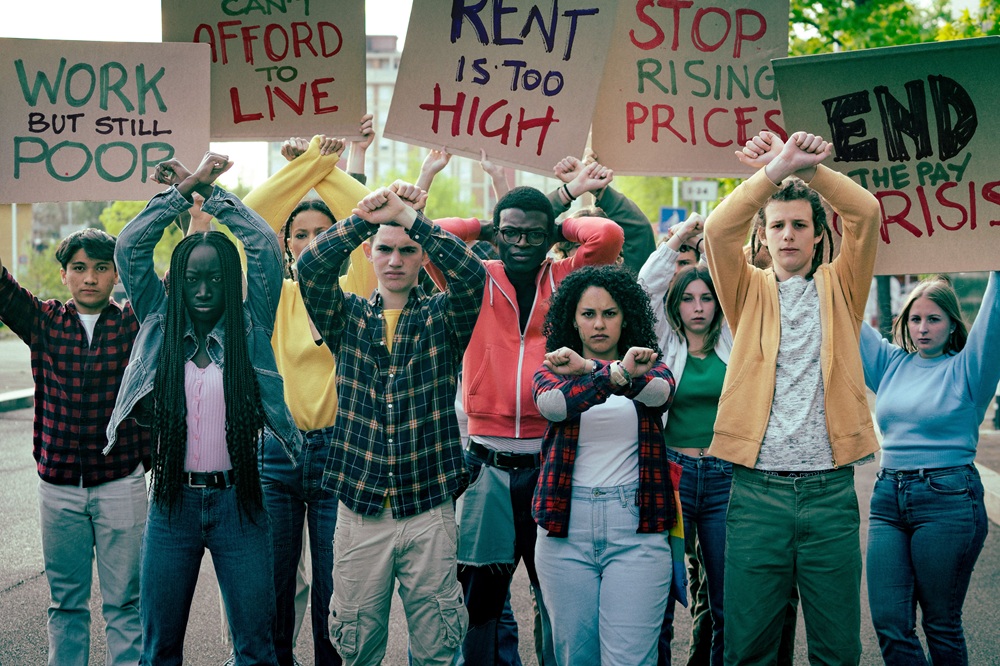
Look at the coordination: Matching printed materials, organized transportation across state lines, legal support teams on standby, media strategies, social media campaigns. This costs money. Serious money. And it’s coming from somewhere.
When protests turn destructive—businesses burned, public property vandalized, entire city blocks occupied—we’re way past the realm of protected speech into criminal activity. Yet the funding and organization behind these events often remains murky. Who paid to bus people in? Who’s covering bail? Who’s coordinating the messaging?
Here’s where it gets even murkier: mainstream media coverage. When certain protests involve violence and property damage, but media coverage remains sympathetic or even celebratory, you have to ask whether there’s alignment between the organizations funding these movements and the outlets covering them. Are we getting journalism or advocacy?
The old civil rights era argument—that disclosure requirements would enable government persecution of legitimate movements—rings hollow when the movements in question have billionaire backing, foundation funding, and sympathetic media coverage. These aren’t vulnerable grassroots activists being surveilled by hostile authorities. These are well-resourced operations with institutional support.
When CNN, MSNBC, or major newspapers seem to be reading from the same script as the protest organizers, when property damage gets downplayed as “mostly peaceful,” when questions about funding are dismissed as conspiracy theories—that’s not journalism protecting the vulnerable. That’s institutional alignment protecting institutional interests.
What Transparency Would Actually Reveal
Registration and disclosure requirements would answer some basic questions the public deserves to know:
Who’s really organizing this? Not the face on camera, but the groups writing the checks. When you follow the money, what organizations appear? What’s their track record? Who funds them?
How much is being spent? If millions of dollars are flowing into organizing protests, that’s not grassroots—that’s a lobbying campaign by another name. The public should know the scale of these operations.
What’s the coordination? Are we seeing simultaneous protests in dozens of cities because people independently arrived at the same message, or because there’s a coordinated national campaign? Transparency would clarify whether these are genuine local movements or orchestrated national operations.
Who benefits? When you map the funding sources and organizational connections, what patterns emerge? Are there political campaigns, foreign actors, or special interests that benefit from this particular form of disruption?
The Accountability Gap
Right now, there’s essentially zero accountability for funded protest movements, even when they cross the line into violence and destruction. Compare that to literally any other form of political activity:
- Run a political ad? Disclose your funding.
- Lobby Congress? Register and report.
- Donate to a candidate? Public record.
- Organize a protest that causes millions in property damage? Nothing. No disclosure, no registration, often no consequences.
That’s not a sustainable system. When organized, funded movements can shut down cities, destroy businesses, and intimidate citizens without any transparency about who’s behind it, you’ve created an enormous loophole in democratic accountability.
But What About Free Speech?
Yes, protest is protected speech. But so is lobbying, and we require lobbyist registration. So is campaign advertising, and we require disclosure. So is political organizing, and we require reporting.
The First Amendment protects your right to speak, not your right to hide who’s funding your speech. Transparency requirements don’t stop anyone from protesting—they just make the funding visible.
And frankly, if your movement can’t survive public knowledge of its funding sources, maybe that tells you something about the movement.
The Real Question
The question isn’t whether protests should be allowed—of course they should. The question is whether organized, funded political operations should be able to masquerade as spontaneous grassroots movements while media outlets provide cover rather than scrutiny.
We’re told to “follow the money” in politics. Why not in protest movements? We’re told transparency is essential for democracy. Why not for demonstrations that can reshape public policy?
The resistance to transparency in this area suggests people understand that if the public knew who was really organizing and funding certain protests, it would change how those protests are perceived. And maybe that’s exactly why we need it.
What do you think? When protests are coordinated, funded operations—especially when they involve property destruction and have sympathetic media coverage—shouldn’t we at least know who’s paying for it all?